
Hotels & restaurants
How to choose olive oil for a restaurant or a hotel
Category, origin, certification, variety, formats, traceability: what to check before listing an olive oil for the kitchen and the dining room.
Adapted from the French edition updated on 30 September 2026
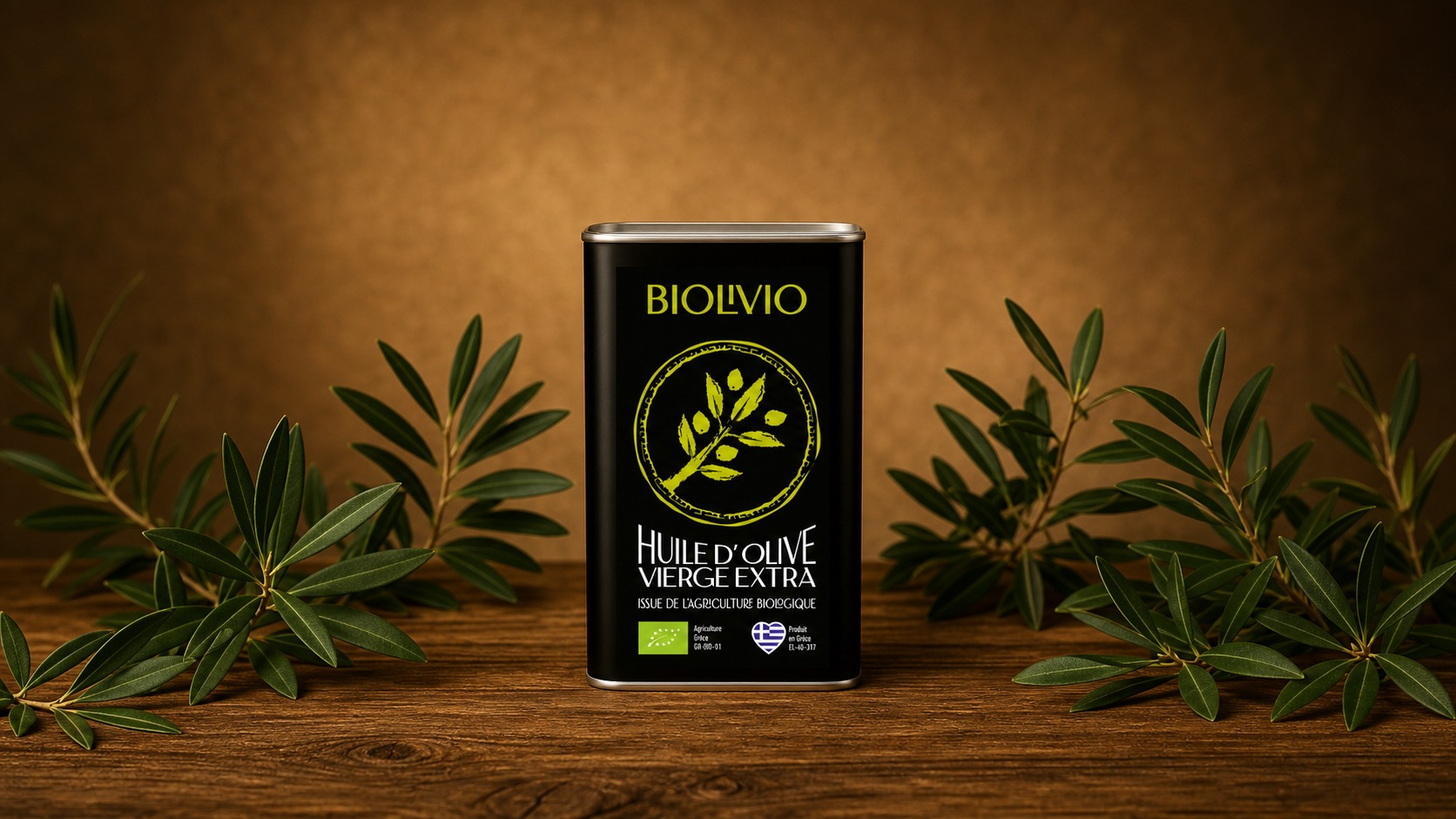
In short: to choose olive oil for a restaurant or a hotel, check the category, the origin, the certification, the variety, the formats available and the traceability of the product. Then taste the oil before listing it, to make sure it suits your cooking and your service.
Listing an olive oil for a restaurant or a hotel is nothing like choosing a bottle for home. The stakes are different: volumes to plan, formats suited to both the kitchen and the dining room, an origin you can present to your guests and a supply arrangement that fits the establishment. Here are the criteria to check before choosing.
Extra virgin: what acidity tells you
The “extra virgin olive oil” category is the most demanding. EU regulations require, among other things, a free acidity of 0.8% or less, as well as a sensory analysis with no defects and a perceptible fruitiness. Acidity is therefore a useful marker, but not the only one: two extra virgin oils can have very different taste profiles.
Acidity varies from one harvest to the next. For Biolivio oil, it is well below the 0.8% standard.
PDO, organic, single variety: what these terms guarantee
- PDO (Protected Designation of Origin): the product is tied to a defined geographical area, and the production, processing and preparation steps must take place there in line with the designation's specification. A term such as “Greek olive oil” only indicates the country.
- Organic: production certified under the EU organic farming rules, which strictly govern practices and limit fertilisers, herbicides and pesticides to authorised substances. Check that the organic status of the product is clearly certified and identified.
- Single variety: an oil made from a single olive variety, such as Koroneiki in Crete. The variety gives the oil a taste identity that you can present at the table.
Biolivio oil combines all three: organic extra virgin olive oil, PDO Messara, 100% Koroneiki, certified organic in Greece, hand harvested on the island of Crete and cold extracted, by mechanical means only, below 27 °C, on the day of harvest.
Kitchen and dining room: choosing the right formats
In the kitchen, large formats are generally best suited to professional use. The choice between 1, 3 or 5 litres depends on how fast you use it and how the kitchen team is organised, so that an open container is not kept too long. In the dining room, the bottle is part of the table setting and can show the origin of the oil, or even the name of your establishment.
At Biolivio, depending on availability, the oil comes in 1, 3 or 5 litre tins and in 25 cl, 50 cl or 75 cl bottles. In every case, store the oil away from light and heat, with the container tightly closed.
Traceability: what your supplier should be able to tell you
A professional buyer must be able to identify the origin of the oil, its certification and the batch of each container. The batch number identifies the production or packing lot concerned if a question or an inspection arises. Before listing an oil, also check that the label clearly shows the category, the origin and, where relevant, the designation and the organic logo.
Putting your establishment's name on the oil
If you would like to personalise the oil served in your establishment, Biolivio offers, depending on the project, co-branding, private label or a bottle engraved with your logo. The thresholds and terms are on our hotels & restaurants page and in our article custom label or private label.
How listing Biolivio works
Listing starts with tasting: your chef or your purchasing team can request a 25 cl sample bottle, sent once we have reviewed your project, to judge the oil on the nose and palate. We then prepare a quote based on your volumes, formats and delivery addresses, from 50 litres.
The oil is bottled to order on the island of Crete, with no stock of bottles prepared in advance, then delivered to mainland France or the French West Indies, Belgium, Switzerland or Luxembourg, to one or several sites. Do you run a seasonal venue by the sea? See also our beach clubs page.
Frequently asked questions
What acidity for an extra virgin olive oil?
EU regulations set a maximum free acidity of 0.8% for the extra virgin category. This criterion is not enough on its own: the category also has other chemical and sensory requirements, and tasting remains important when choosing an oil that suits your establishment.
Tin or bottle for a restaurant?
Both: the tin for the kitchen, the bottle for table service. The right tin size depends on your consumption, so that an open container is not kept too long.
Can we have an olive oil in our establishment's name?
Yes: co-branding, private label or a bottle engraved with your logo, depending on the project. The thresholds and terms are set out on our hotels & restaurants page.
Preparing a listing for your establishment or your group? Tell us what you need: type of establishment, uses (kitchen, dining room), estimated volumes and number of sites.
Taste before you list.
A 25 cl sample bottle, then a quote based on your volumes, formats and delivery sites.
Request a quote